How to Clean Decorative Concrete
Start with the least aggressive cleaning method that will remove the dirt without changing the finish.
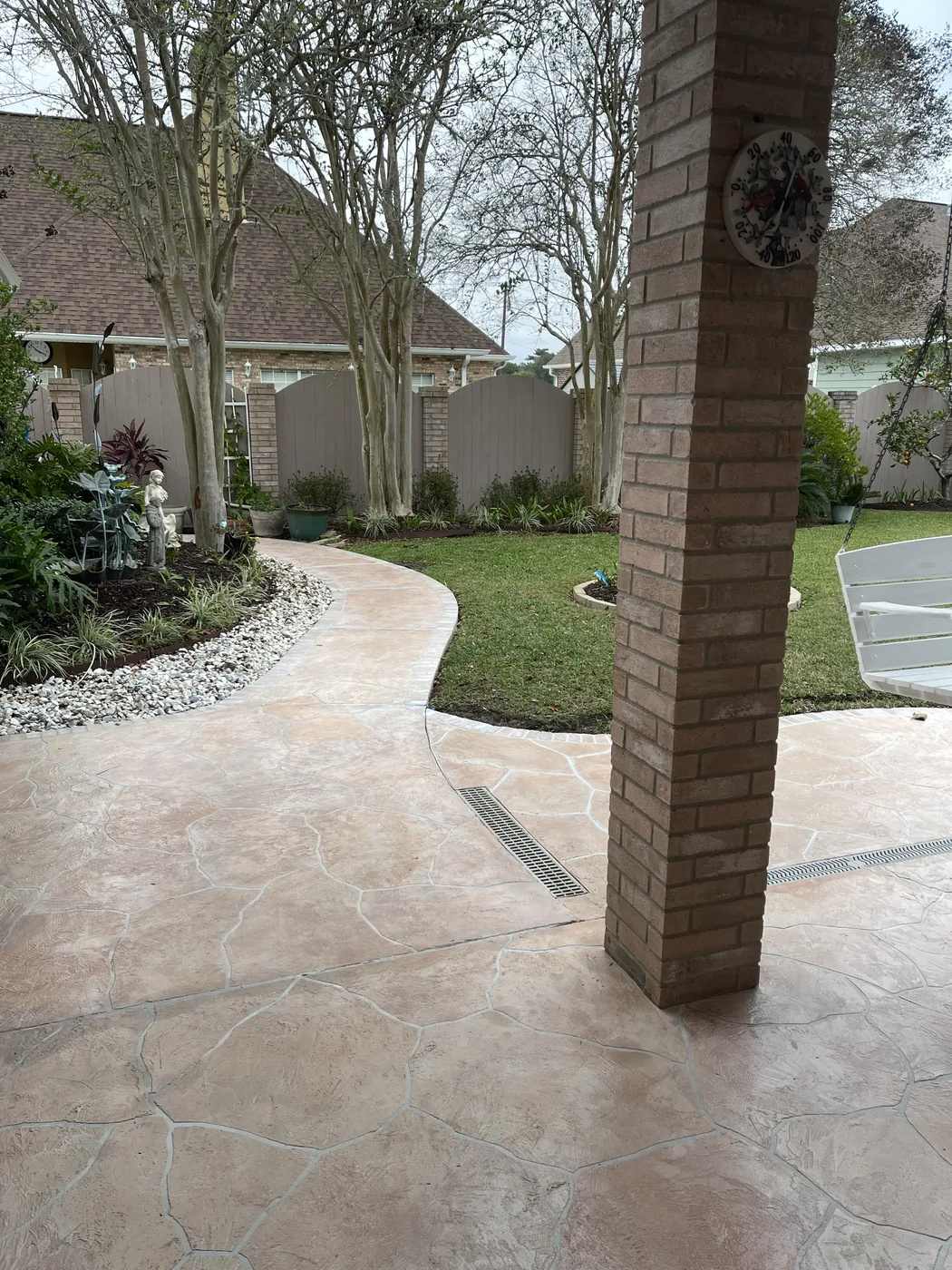
Good cleaning protects the finish by removing grit, residue and contaminants without unnecessarily attacking the coating, sealer or decorative surface.
Start dry when possible
Sweep, dust mop or vacuum loose material before adding water. Dirt and sand can act like abrasive grit when they are repeatedly dragged across a finished surface.
Use a mild cleaner first
For ordinary soil, begin with water and a mild cleaner intended for finished floors or decorative surfaces. Use a soft broom, mop or non-aggressive pad and rinse away residue when the cleaner calls for it.
The correct cleaner can depend on the actual surface, especially when an older project has been resealed or coated with an unknown product.
Treat spots locally
Handle grease, food, dirt, organic staining and other spots at the affected area rather than immediately escalating to an aggressive whole-surface cleaning.
For an unknown stain or chemical spill, take a photo and identify the material if possible before experimenting with strong cleaners.
Be careful with pressure washing
Pressure washing can be useful on some exterior surfaces, but excessive pressure, a concentrated tip or cleaning too close to the surface can damage decorative material, expose aggregate, change texture or affect an older protective finish.
If the condition of the surface is uncertain, test cautiously or ask first.
Avoid harsh methods by default
Do not default to acid, strong solvent, metal brushes or aggressive grinding pads for normal maintenance. Those are surface-changing methods, not routine cleaning.
The safest rule is simple: use the least aggressive method that gets the surface clean.