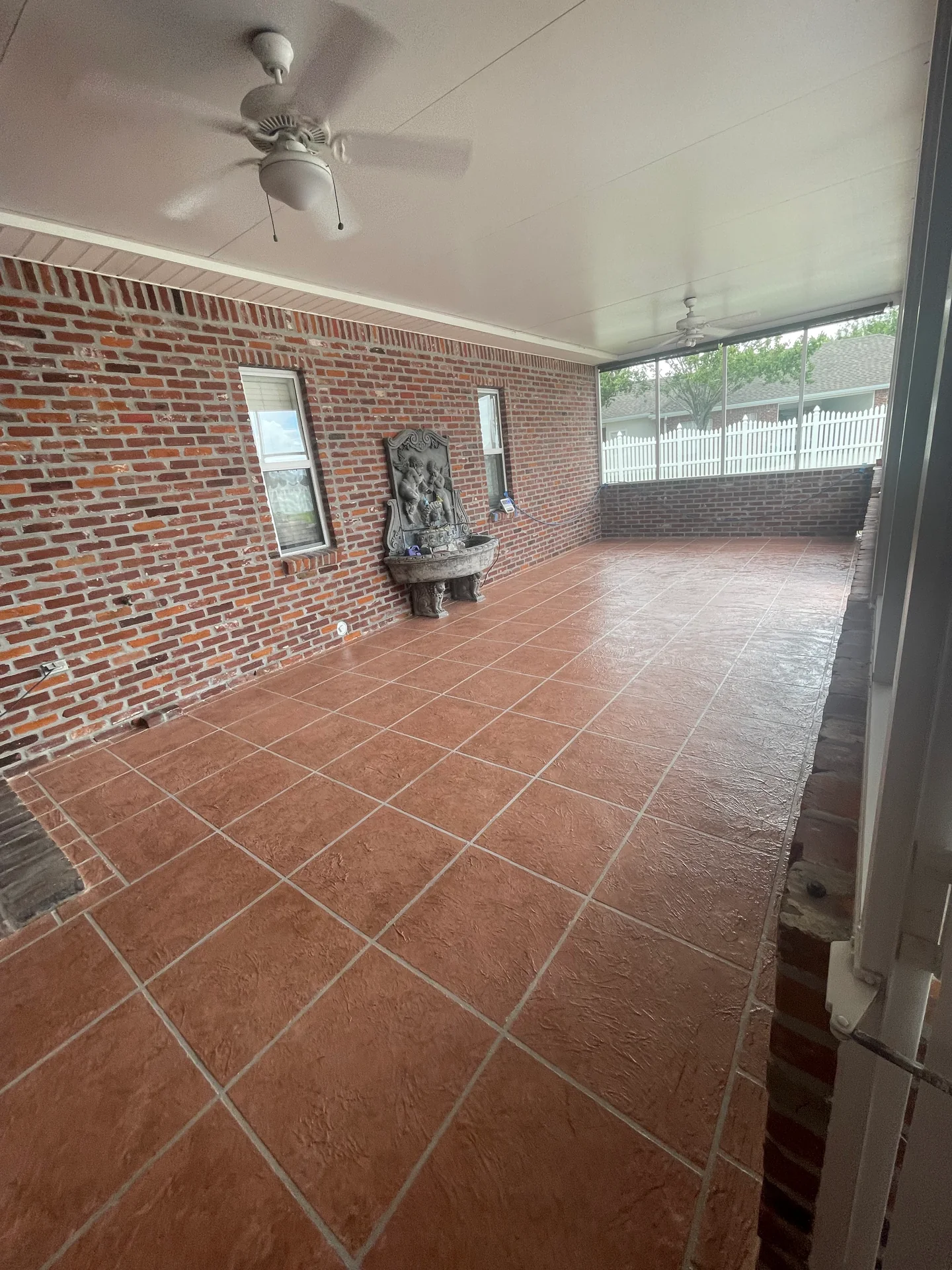
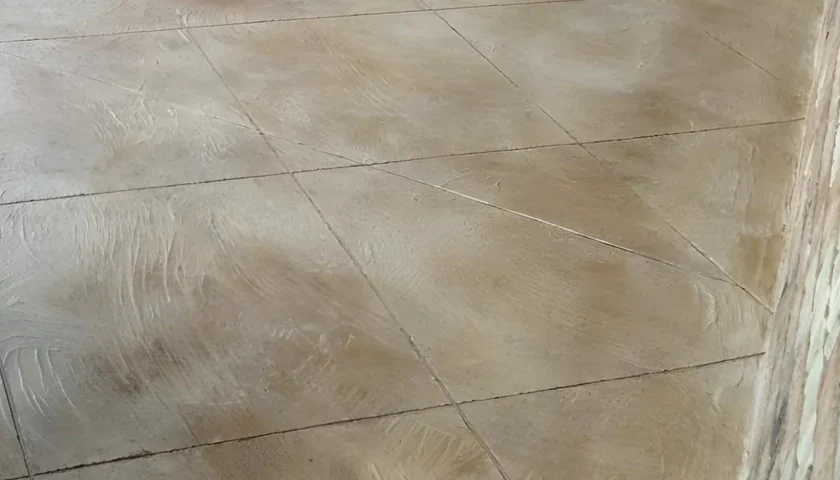
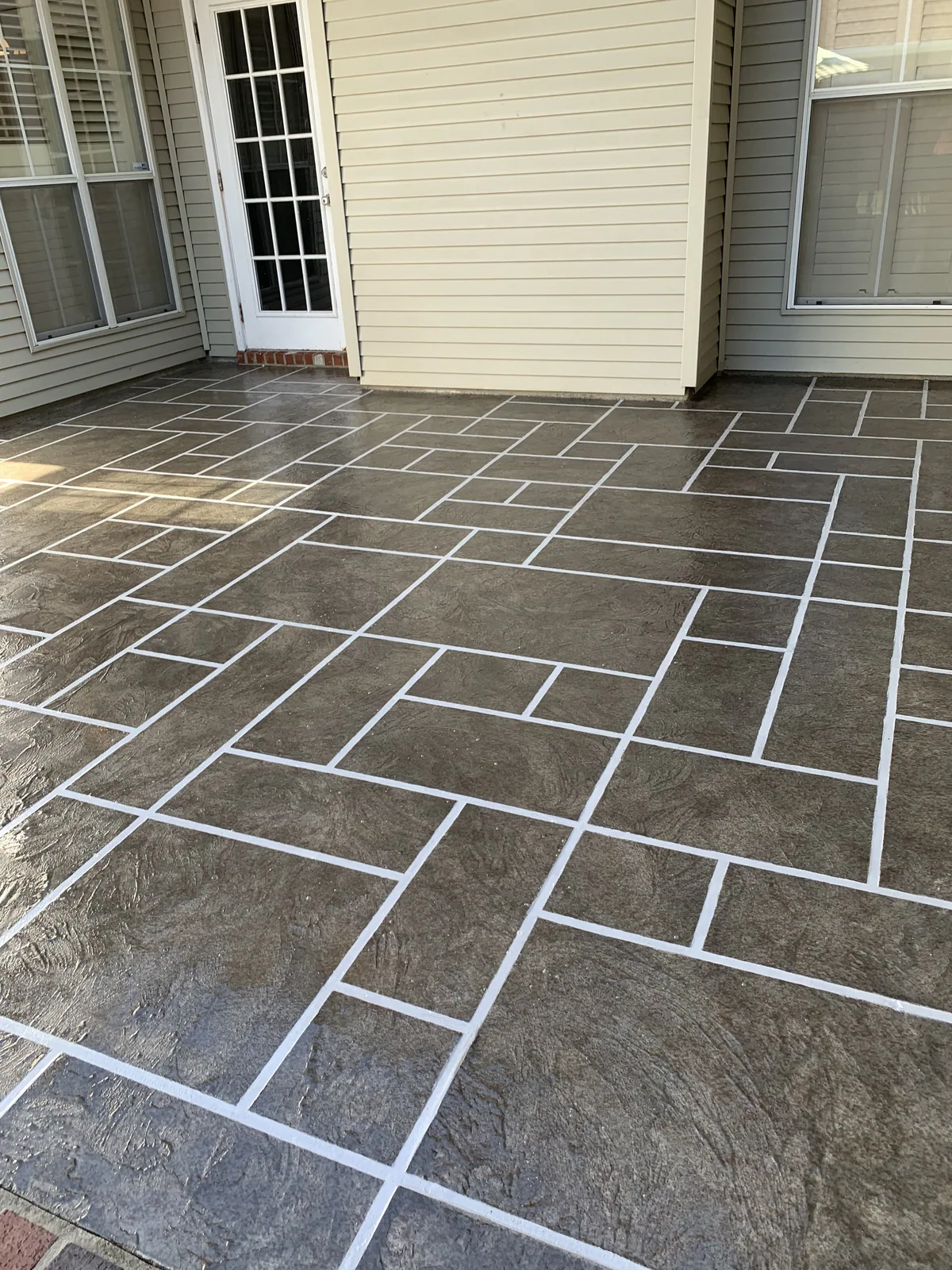
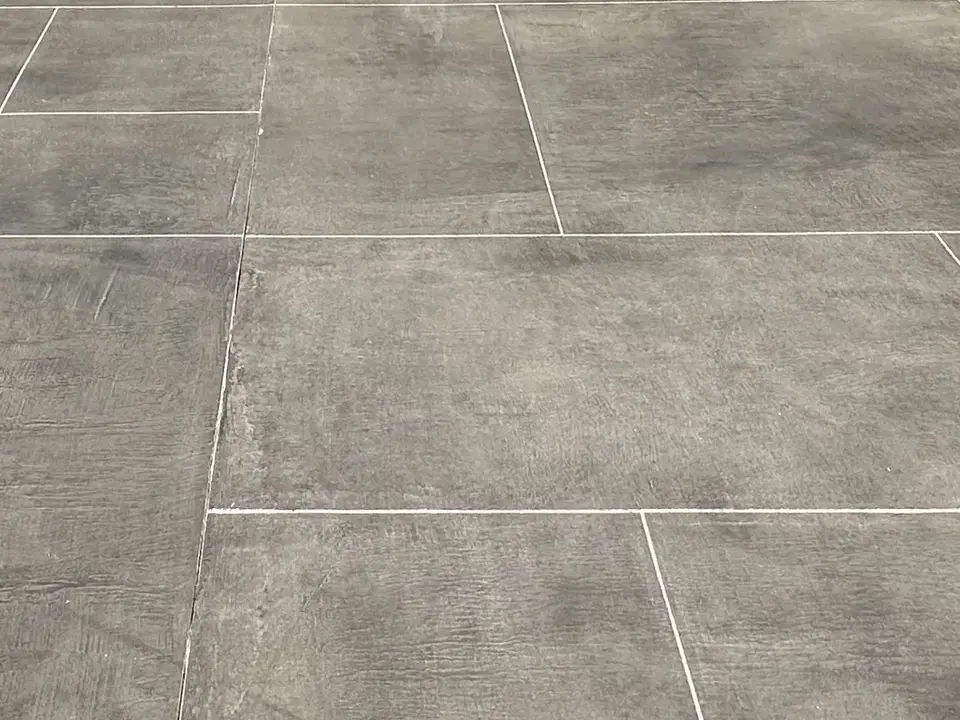
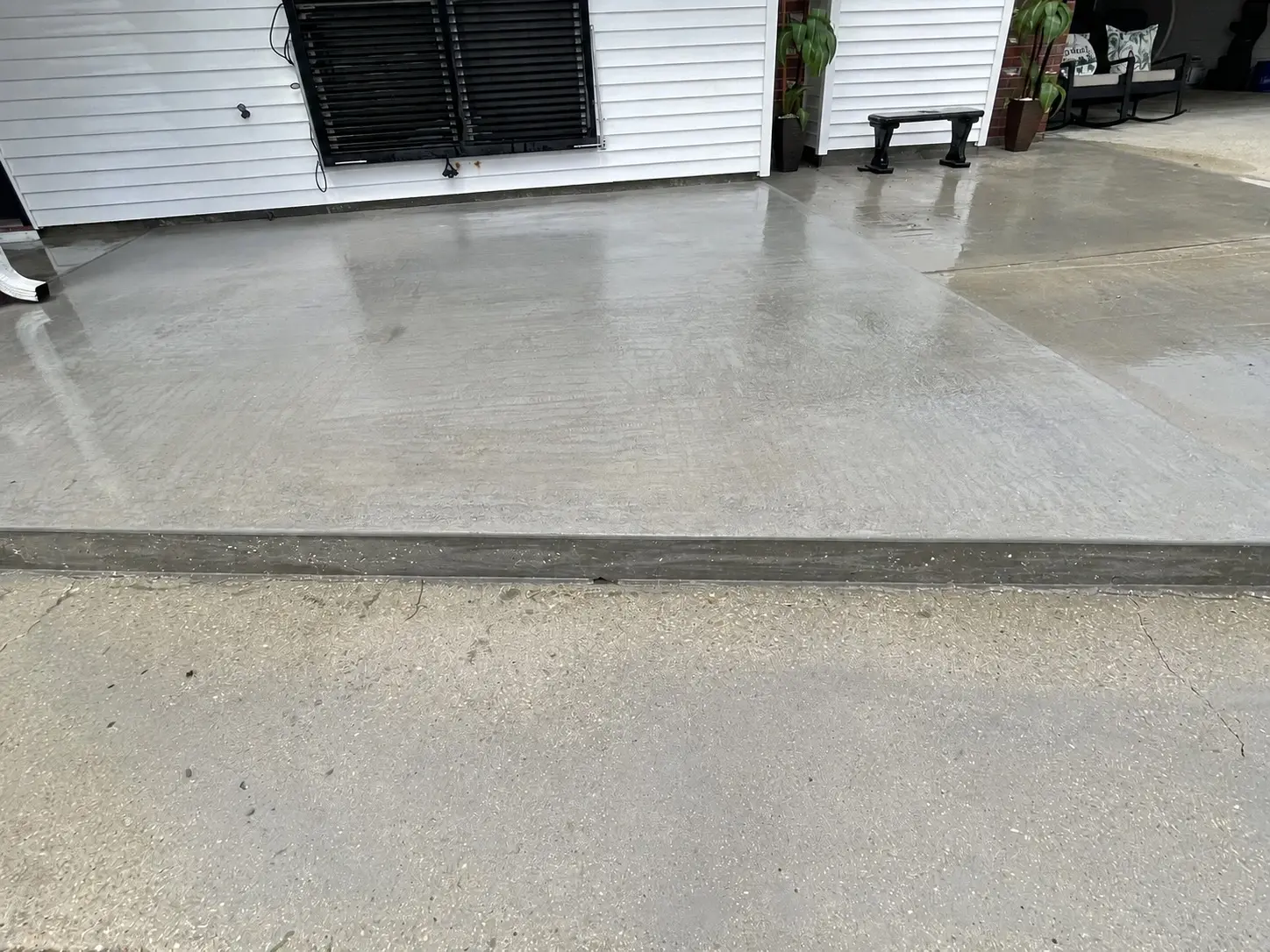
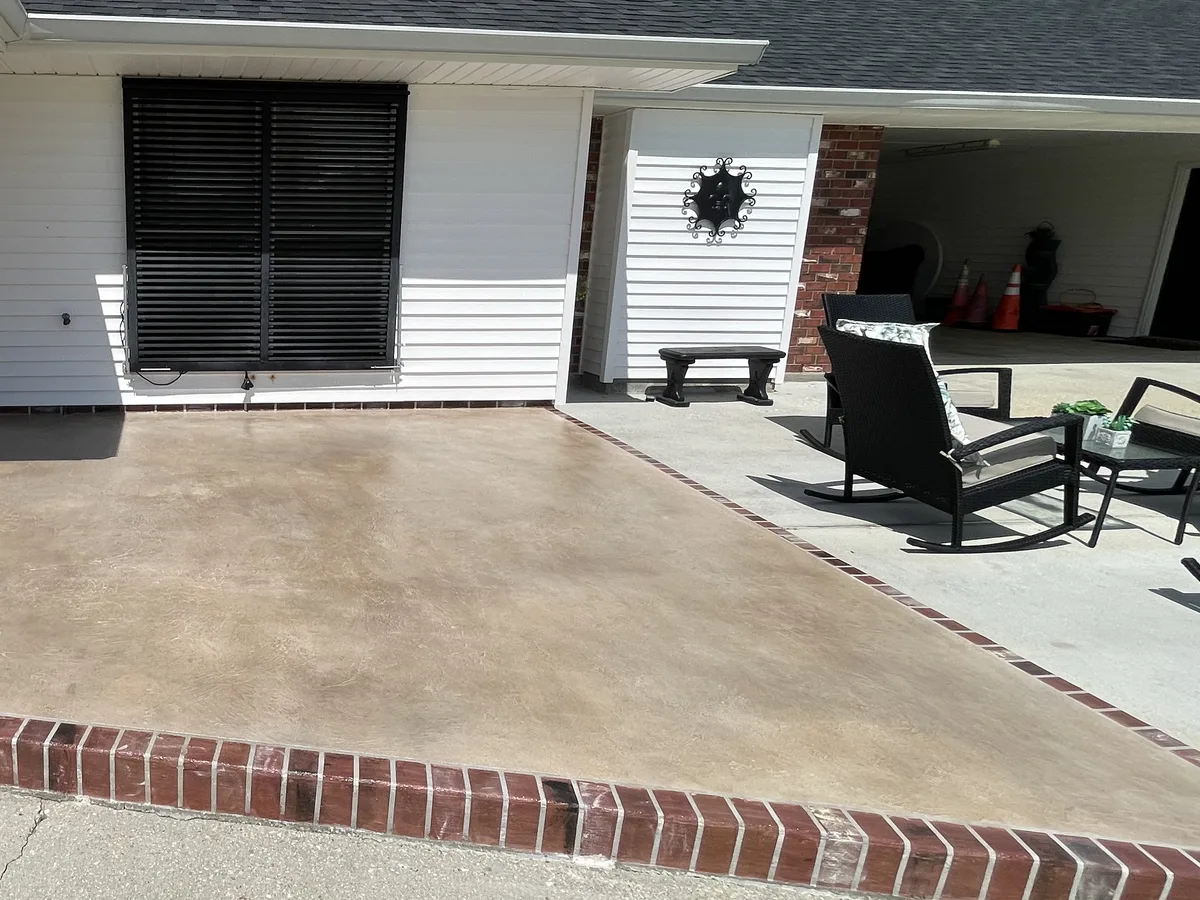
Worn, plain or dated concrete does not always need to be removed. When the existing slab is a suitable candidate, resurfacing can repair the surface and give it an entirely different look—from clean textured finishes to custom stone, tile, brick and wood-look designs.
Choose a Finish That Fits the Space
The finish should make sense for both the design and the way the concrete is used. Real project examples help narrow the direction before the final pattern, color and details are planned for the actual slab.
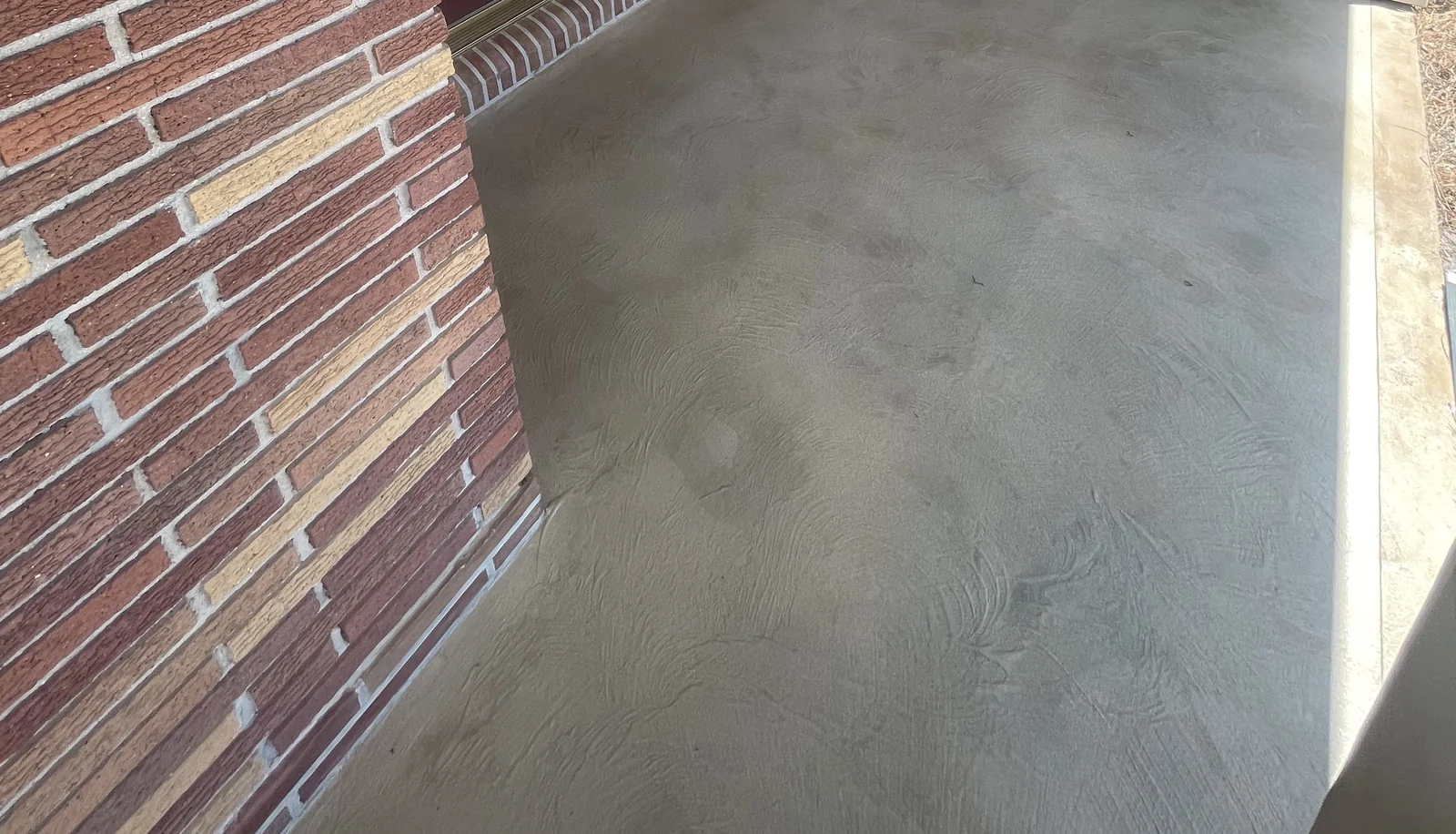
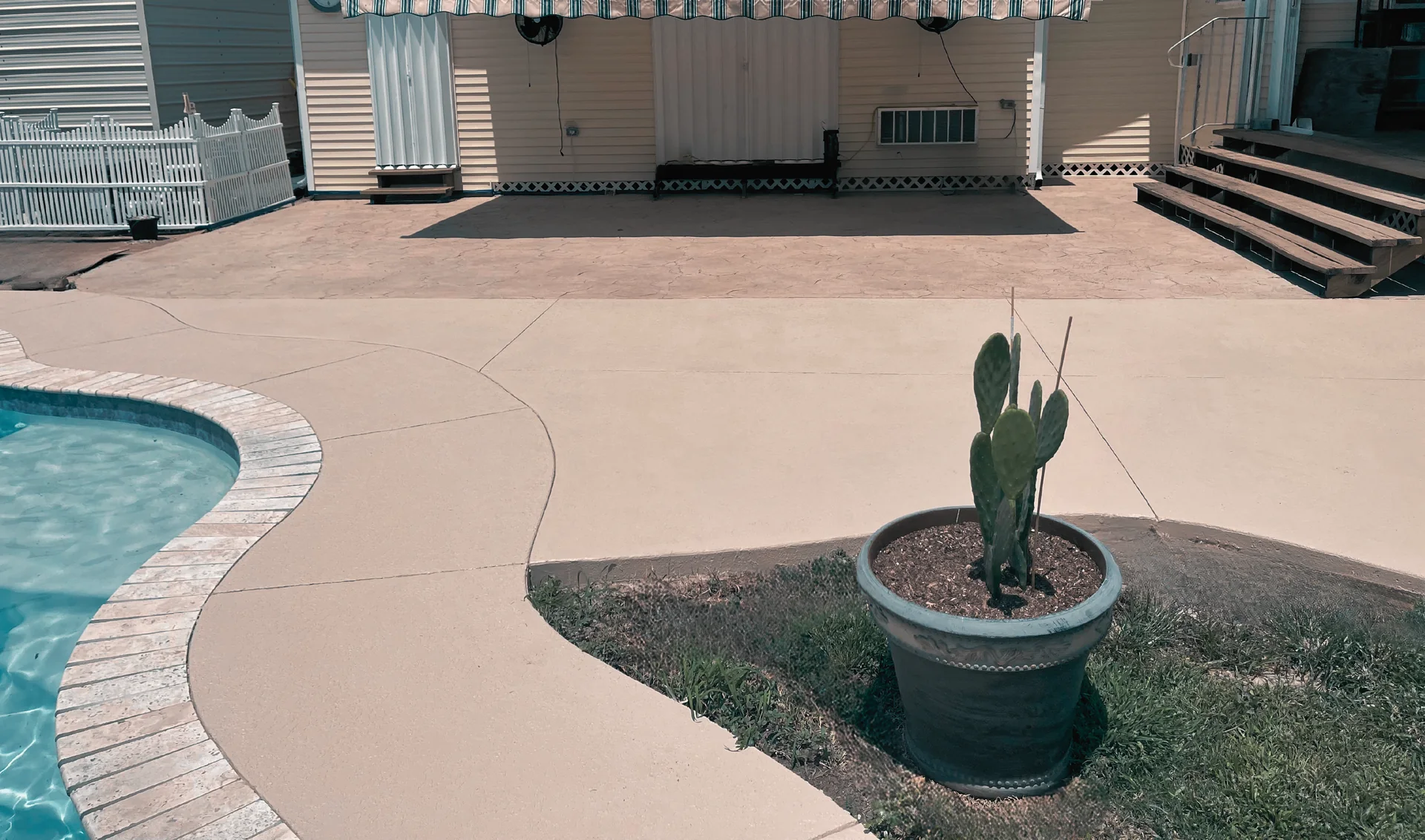
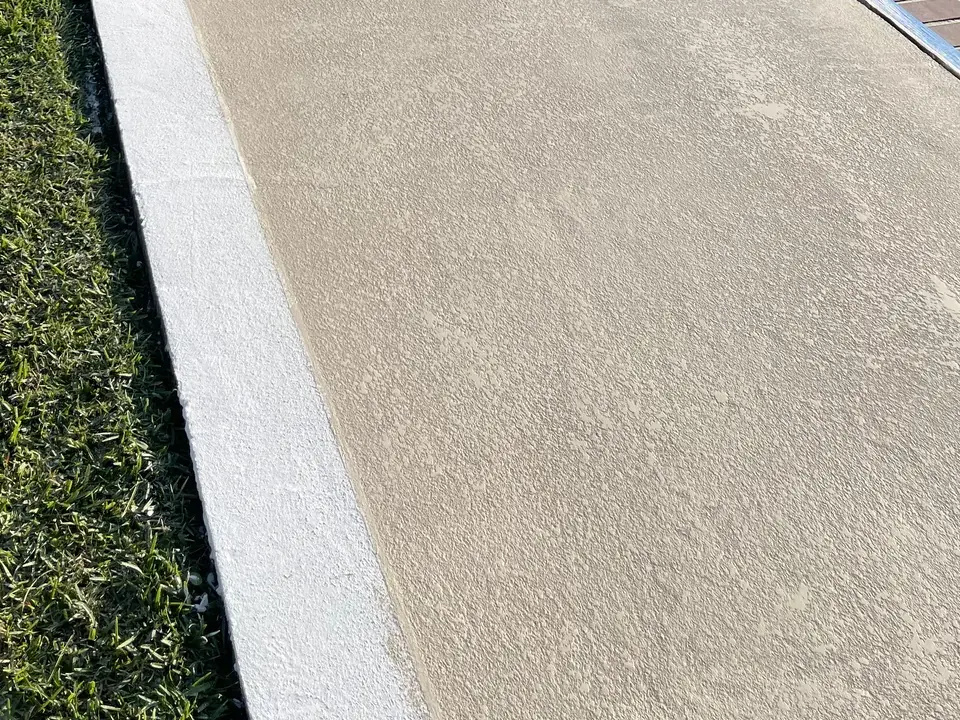
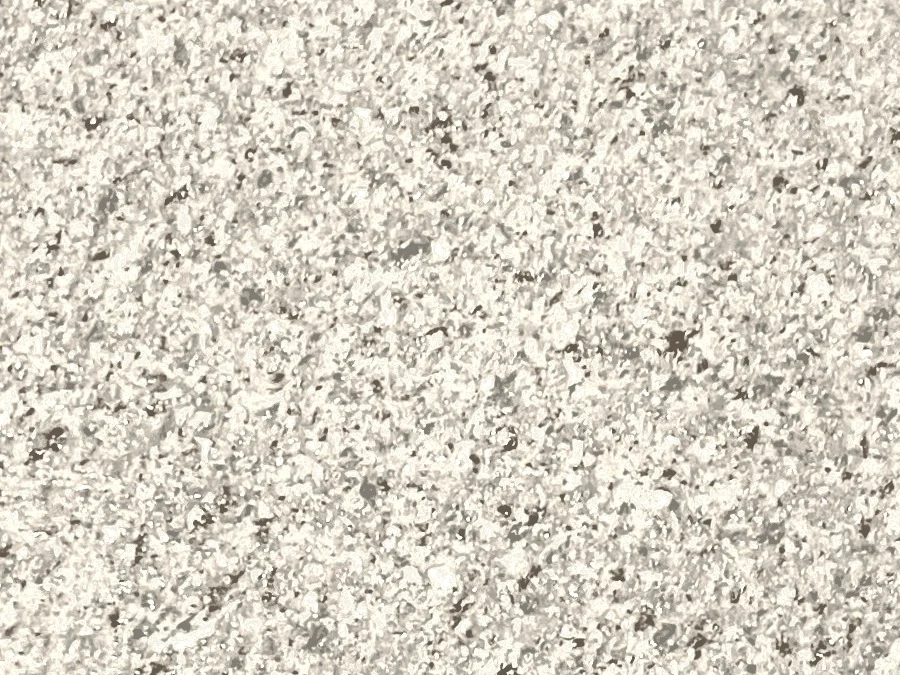
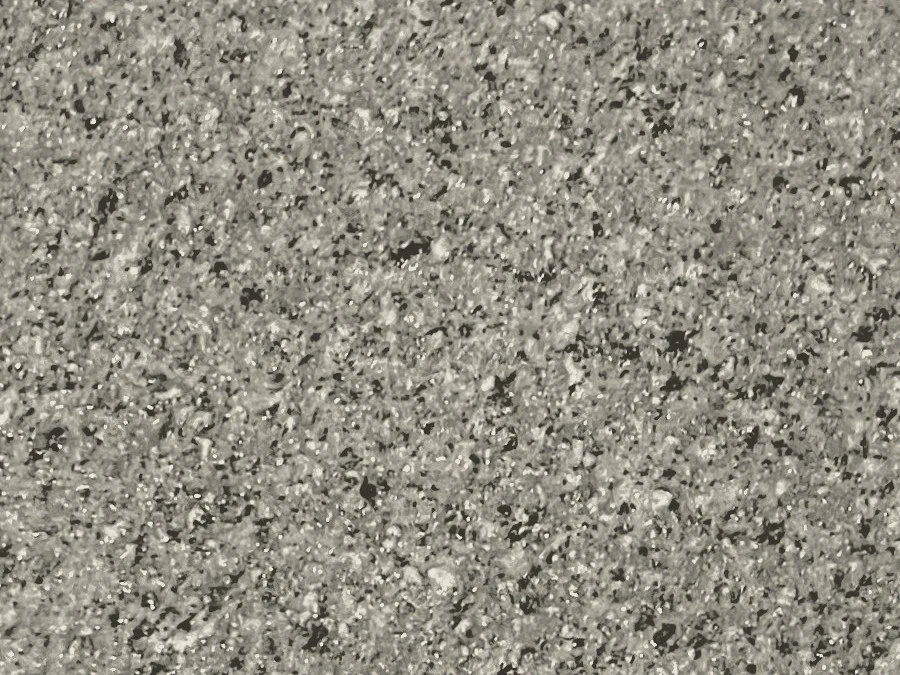
Knockdown / Spray Texture
A textured resurfacing option commonly used where a clean, practical outdoor finish is the goal. Texture and color can be adjusted to fit the surrounding space.
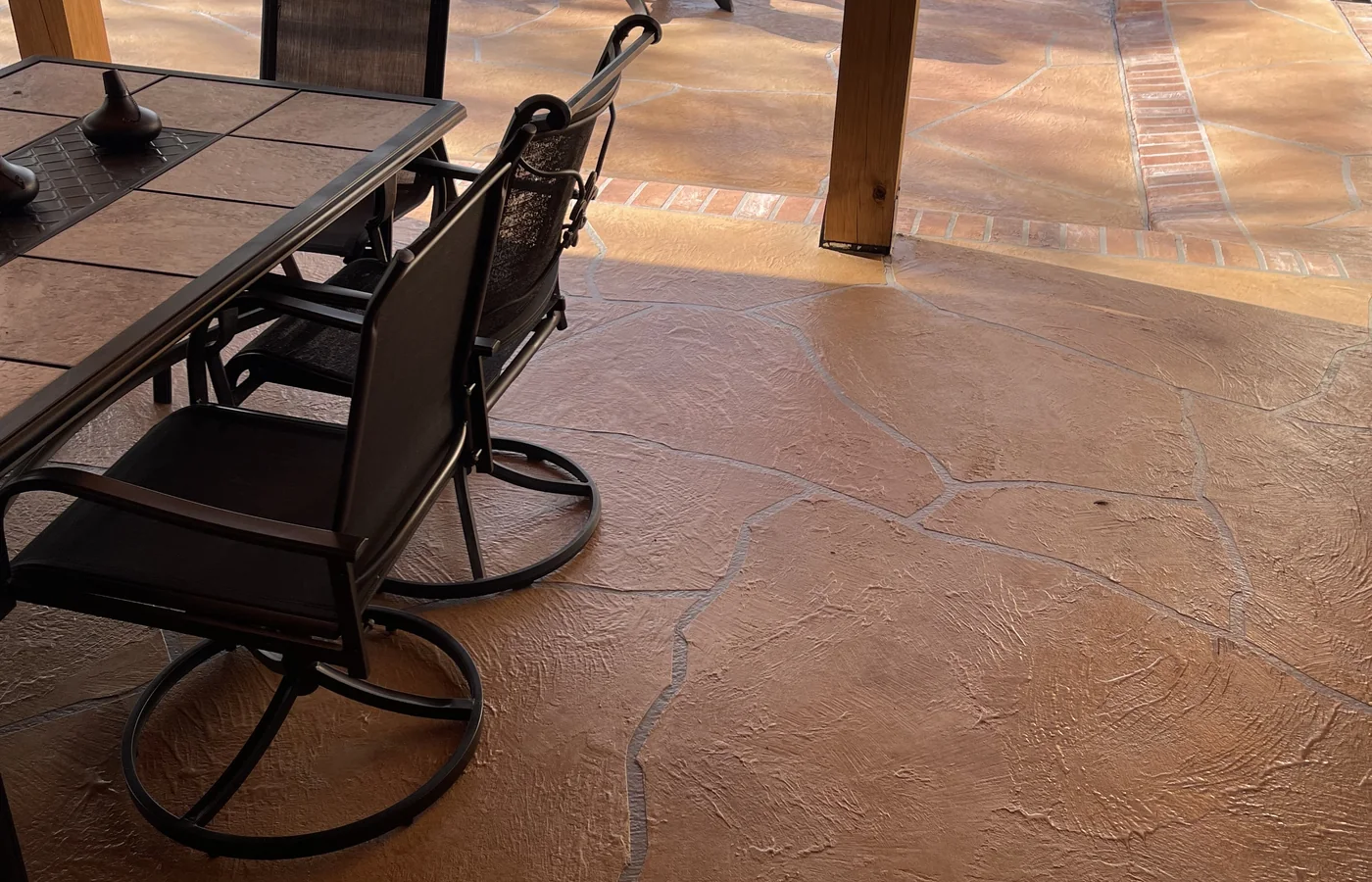
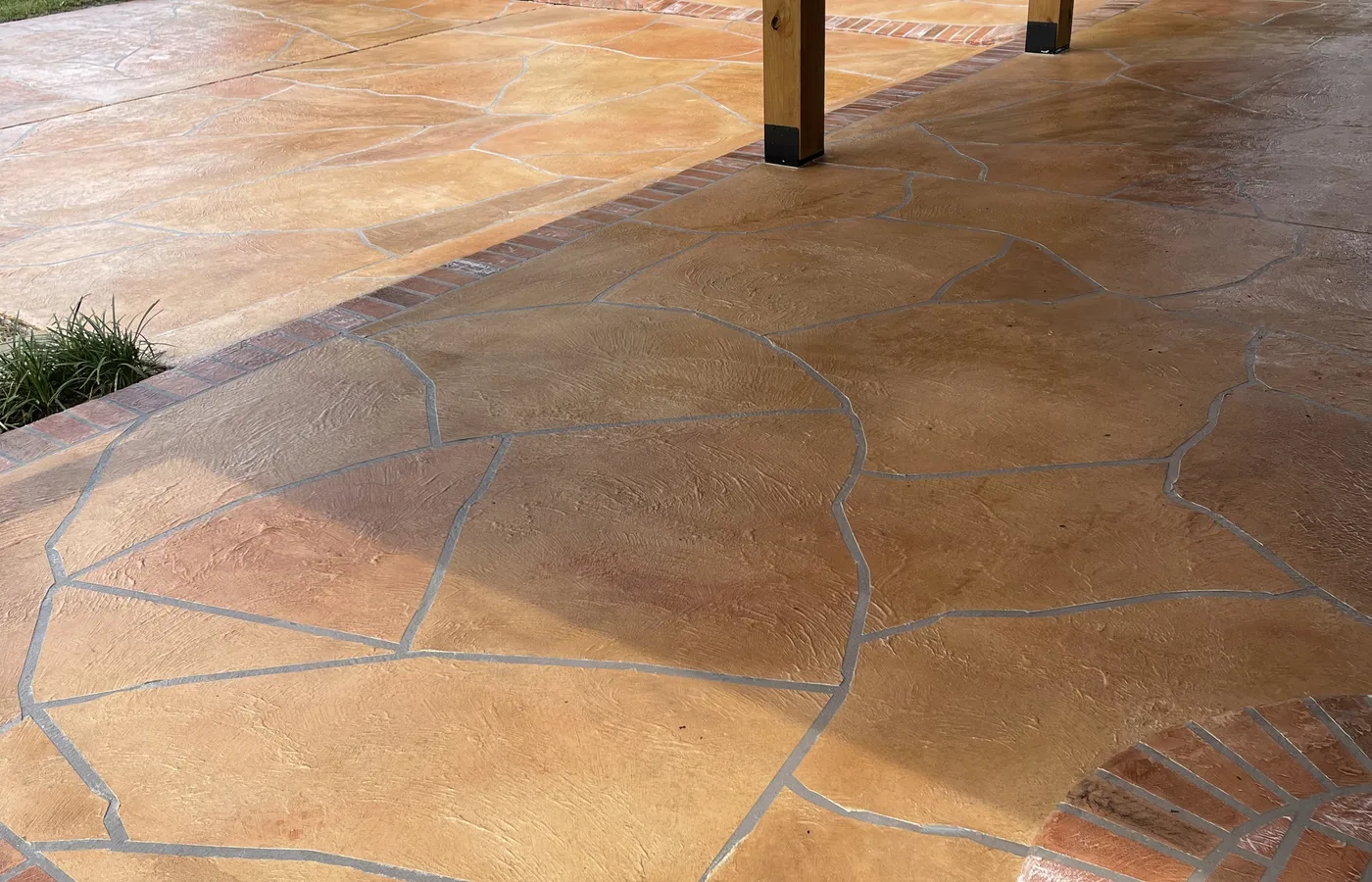
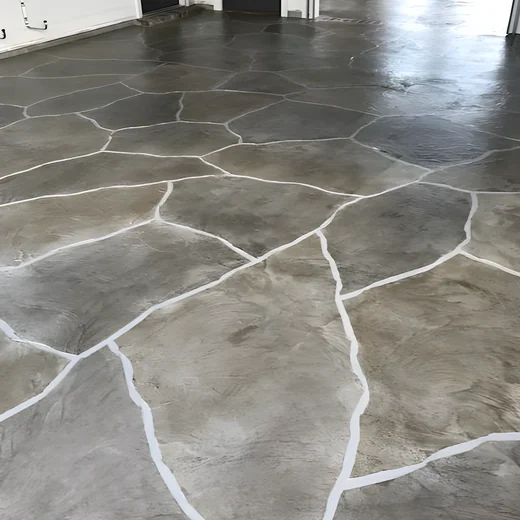
Flagstone / Stone
A hand-troweled decorative finish that creates an irregular stone appearance without installing individual stone pieces. Shape, joint layout and color direction are planned around the project.
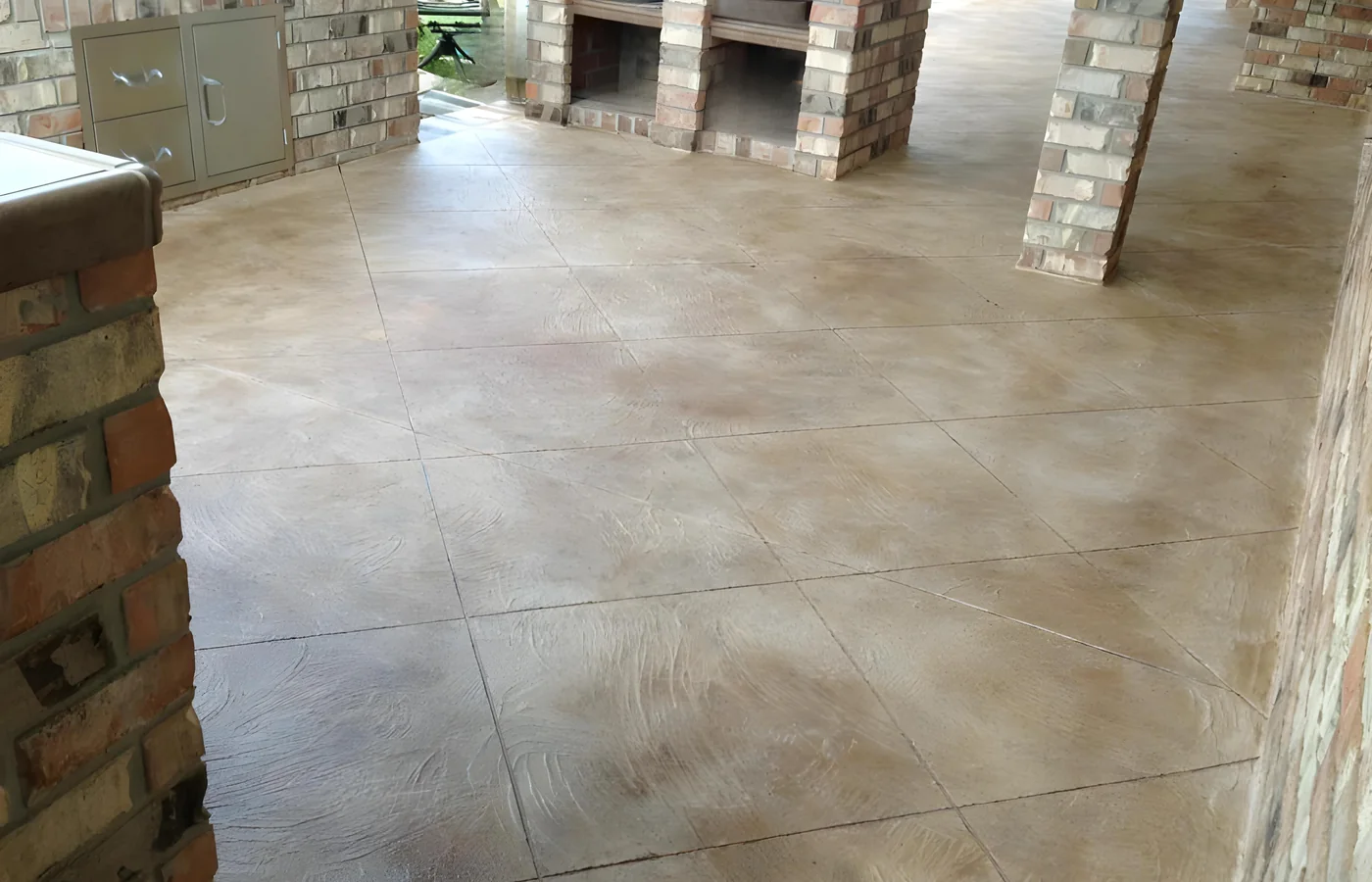
Tile + Ashlar Slate
Geometric layouts can create the structure of tile or a varied rectangular stone pattern while remaining a decorative concrete surface.
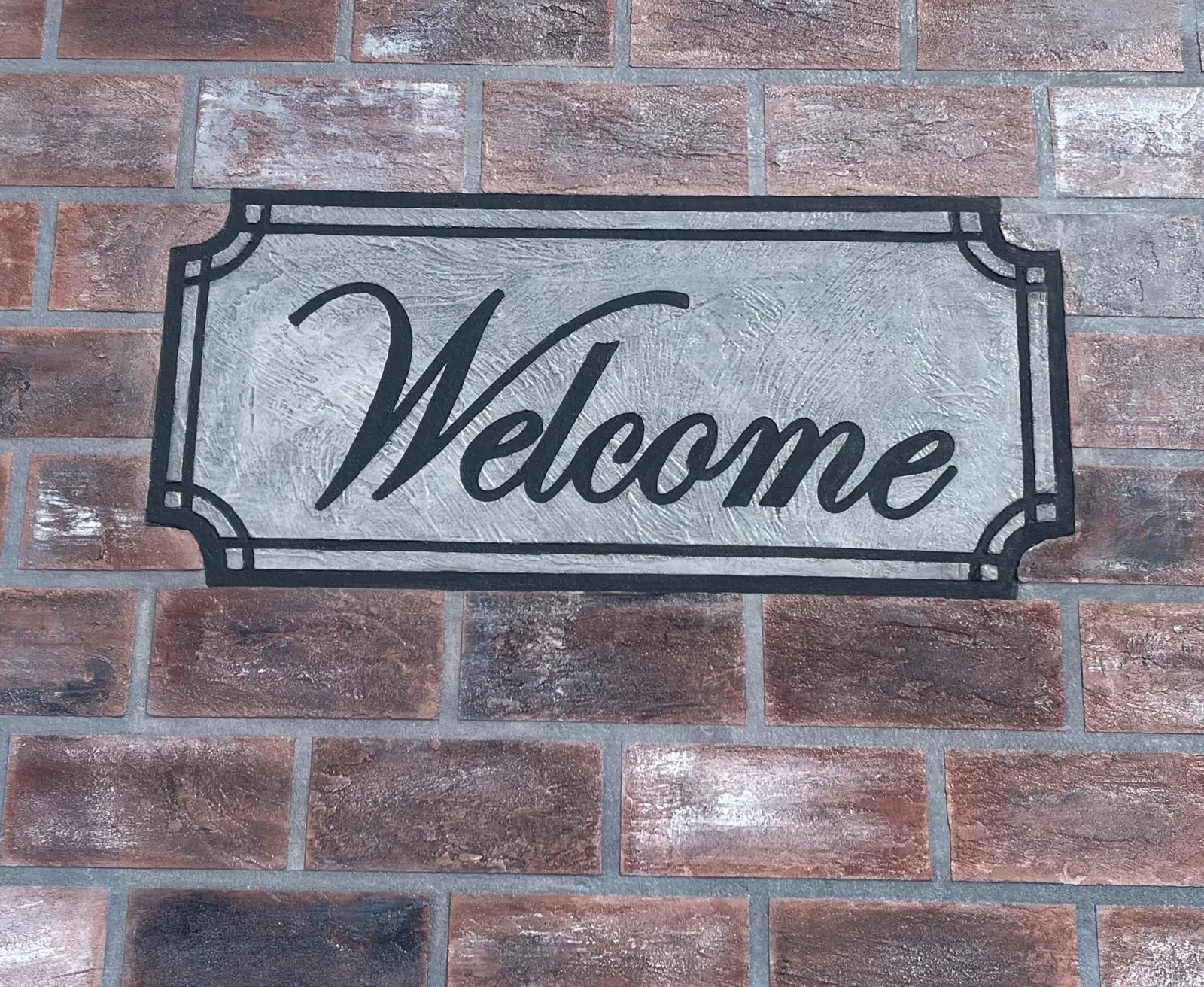
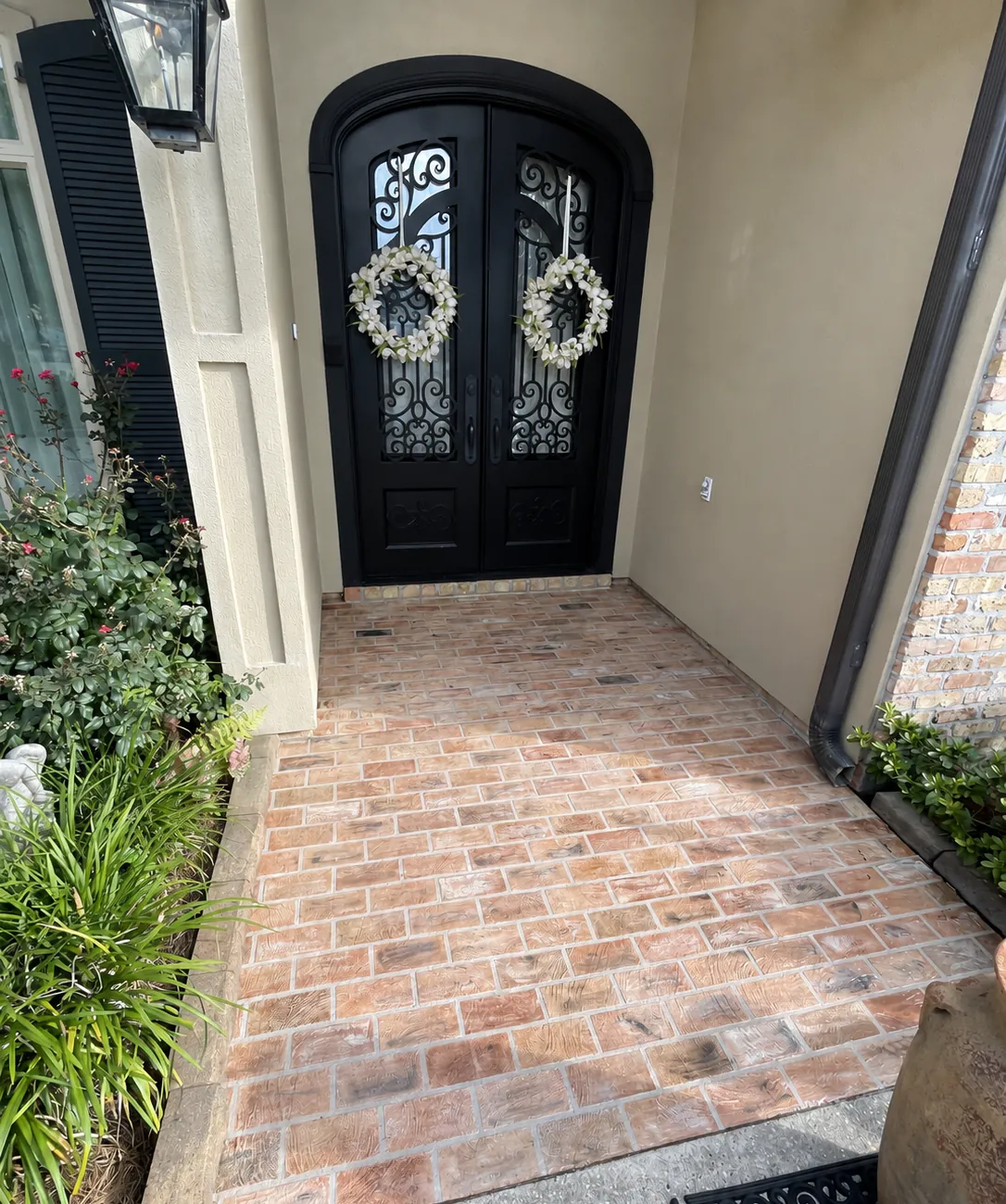
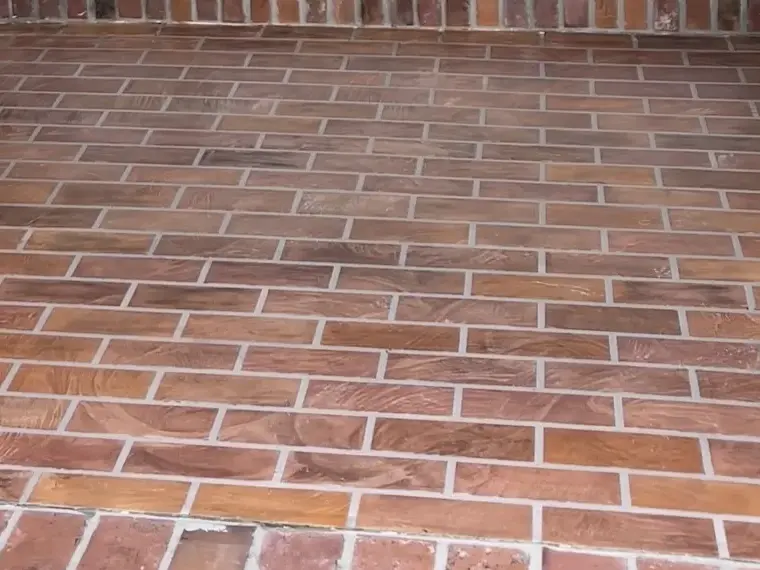
Brick + Borders
Brick patterns can be used as a full finish, border, band or accent to connect the concrete with existing brickwork and architectural details.
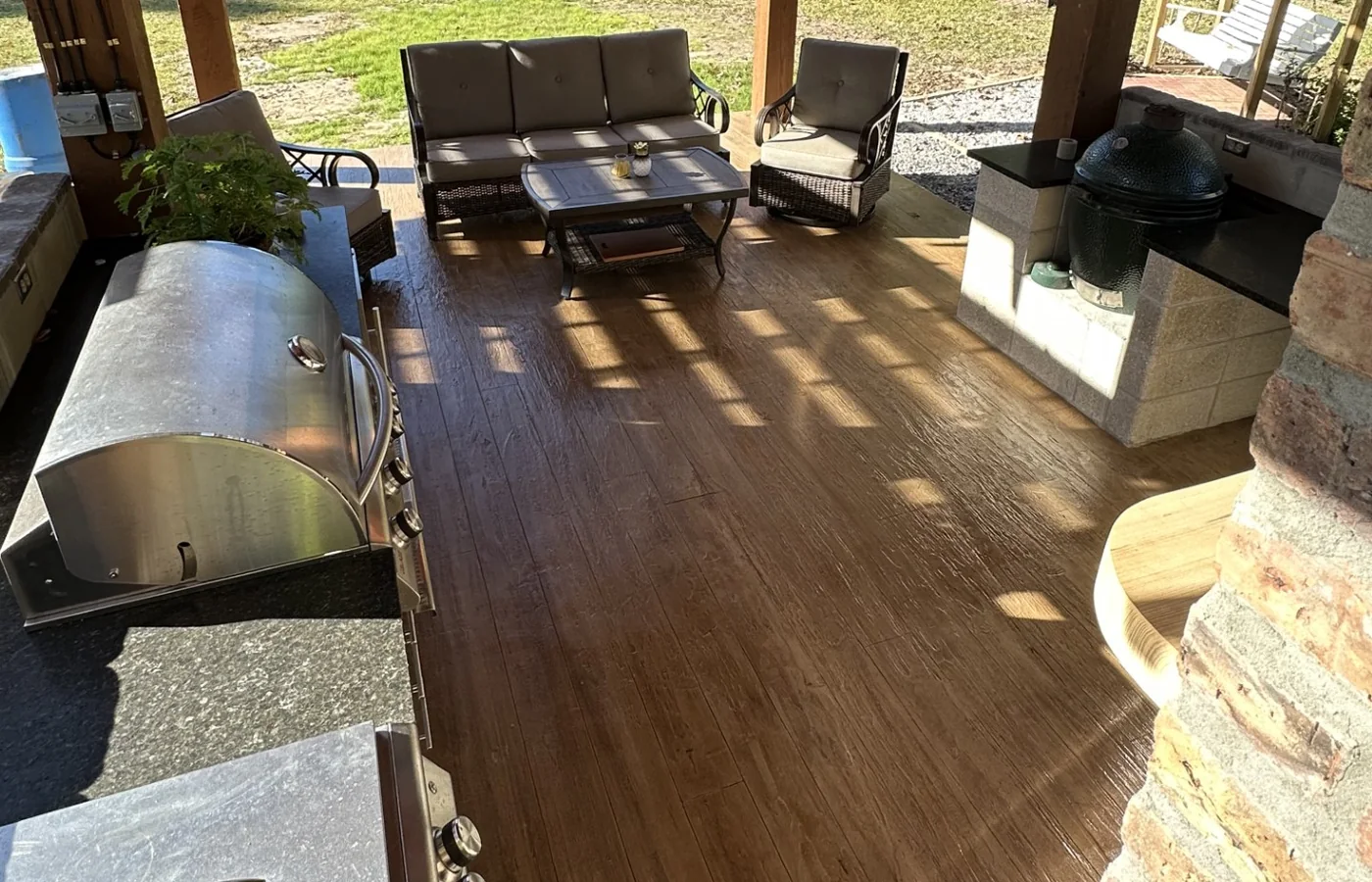
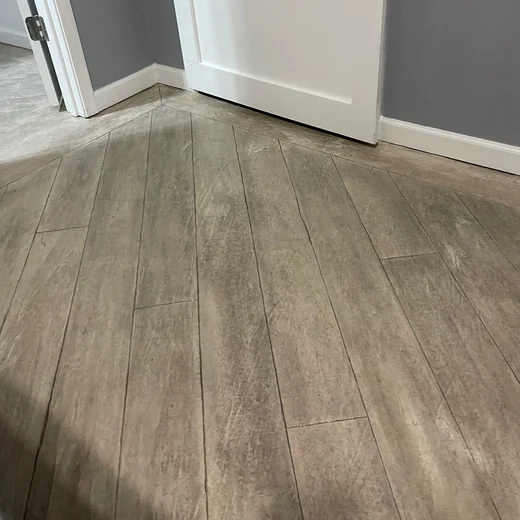
Wood Look
A hand-finished plank direction brings wood-inspired layout and color movement to concrete while keeping the underlying slab.
Broom Finish
A straightforward resurfacing option where a clean, familiar concrete texture is more important than an elaborate pattern.
Pattern, texture and color examples establish a design direction. Final scale, layout and hand-applied variation are confirmed for the actual project.
Is Resurfacing Right for Your Concrete?
The condition of the slab comes first. Decorative resurfacing can be a strong option for concrete that is structurally serviceable but worn, plain, patched or visually dated. It is not the right answer for every surface.
Often worth evaluating:
- structurally serviceable existing concrete;
- worn or outdated decorative surfaces;
- plain concrete that needs a new design direction;
- repairable surface damage within the project scope;
- patios, entries, walkways and other spaces where the slab can be properly prepared.
Another approach may make more sense when:
- the slab has significant movement, settlement or structural failure;
- the concrete is badly deteriorated beyond a practical resurfacing scope;
- an existing coating cannot be prepared or removed reliably;
- replacement would provide the better long-term project outcome.
Concrete still moves. Crack treatment can be part of the preparation plan, but an overlay does not make a moving slab structurally new or guarantee that movement will never become visible again.
More Than a Color Change
A custom overlay can change several parts of the finished surface at once:
- Texture: from understated texture to more pronounced hand-troweled character.
- Pattern: stone, tile, ashlar, brick, wood plank, custom scoring and simpler textured finishes.
- Color direction: warm earth tones, light neutrals, gray/slate directions, brick tones and wood-inspired combinations.
- Borders + details: contrasting bands, brick accents, transitions, inlays and custom decorative details.
- Traction + protection: wet-area use, texture, sealer choice and maintenance expectations are considered together.
The Finish Is Only as Good as the Surface Under It
- Inspect + plan. We review slab condition, previous coatings or treatments, cracks, transitions, drainage, exposure and how the area is used.
- Prepare. The surface is cleaned, ground, etched, repaired or otherwise prepared according to the actual project conditions.
- Build the base + layout. Repairs, base work, pattern layout, borders and transitions are established before the decorative finish is completed.
- Create the finish. Texture, pattern, color and accents are built according to the approved project direction.
- Protect + maintain. The completed surface receives the protection specified for the project, and maintenance expectations are explained before closeout.
Planned for the Way Concrete Lives Here
South Louisiana exterior concrete deals with heat, humidity, heavy rain, wet-area use and movement in the underlying slab and soil. Those conditions are part of the planning conversation—along with the existing concrete, the finish you want and the maintenance you are comfortable with.
Common Questions
Can you cover an existing coating?
The new system needs a properly prepared, compatible surface. Paint, failing sealer, epoxy or another coating may require grinding or removal before an overlay can be installed.
Can the design coordinate with my brick or house colors?
Yes. Real project photography, surrounding materials and reference photos can establish the color direction. Screen colors are only a starting point; hand-applied concrete will have natural variation.
Will resurfacing eliminate cracks permanently?
No. Repairable cracks can be addressed as part of preparation, but no overlay can guarantee that future slab movement will never show again.
What Could Your Concrete Become?
Send a few photos, tell us where the concrete is and what you would like to change. We can start by determining whether resurfacing is worth evaluating and which finish directions make sense for the space.